
The decision on record
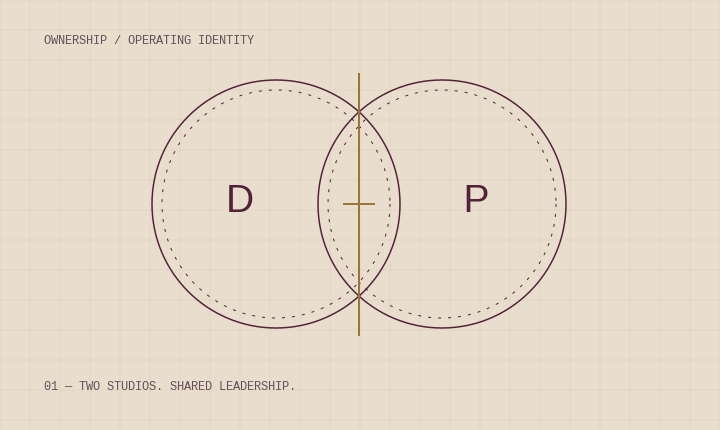
In January 2006, Disney proposed acquiring Pixar while giving Pixar leaders responsibilities across both animation studios. Ed Catmull would become president of the combined animation studios; John Lasseter would take the chief creative role. The announcement said the two animation units would keep their operating locations.
The deal therefore combined a change in ownership with a specific leadership design. Disney's stated rationale linked creative capability to opportunities across its entertainment businesses.
Read the record: [D1] ↗
What the subsequent record establishes
Disney's August quarterly release confirms that the acquisition closed on May 5, 2006. It also reports a net after-tax gain of $30 million associated with the transaction, including termination of the earlier distribution arrangement and impairment of abandoned sequel projects.
That accounting gain is not the acquisition's economic return. The report combines many businesses and films; its overall earnings movement cannot, by itself, establish the value created by this particular decision.
Read the record: [D2] ↗
The decision inside the decision
Read this as a question about decision rights. A creative acquisition involves people making repeated judgments about stories, quality and production. Changing who can approve or reject work can matter as much as moving an asset onto a balance sheet.
The useful comparison is between ownership and operating autonomy. A buyer may want shared distribution, funding and long-term incentives while retaining the routines that let a team challenge weak ideas. Those objectives can coexist, but the announcement alone cannot show how consistently they were achieved.
For another acquisition, ask for a written map of the decisions that move to the parent and those that remain with the acquired team. Name who settles disagreements and what evidence would trigger a change. This is an editorial decision lens, not a claim that this transaction proves a universal formula.
What remains unresolved
This dossier stops at the closing record. It does not measure long-term film returns, employee retention or the counterfactual of continuing the distribution relationship. The company documents establish announced terms and completion; they are not independent evaluations of the culture or the deal's success.
CHRONOLOGY
The document timeline
- Decision
Acquisition announced
Disney announces an all-stock agreement to acquire Pixar. [D1] ↗
- Outcome
Transaction closes
Disney later confirms completion and includes Pixar's results from this date. [D2] ↗
- Disclosure
Closing enters the financial record
The quarterly report identifies acquisition-related accounting effects. [D2] ↗
PRIMARY EVIDENCE
Read the source documents.
Publisher dates are historical document dates. This research edition was checked on 27 September 2026. Company communications establish what a company said; their explanations are not independent causal findings.
- D1Disney to acquire Pixar ↗
The Walt Disney Company · 24 Jan 2006
Deal terms, proposed leadership and management's stated rationale. An announcement records intentions, not subsequent performance.
- D2Third-quarter fiscal 2006 results ↗
The Walt Disney Company · 9 Aug 2006
Page 5 confirms the May 5 closing and consolidation date. Group results do not isolate a return on the acquisition.